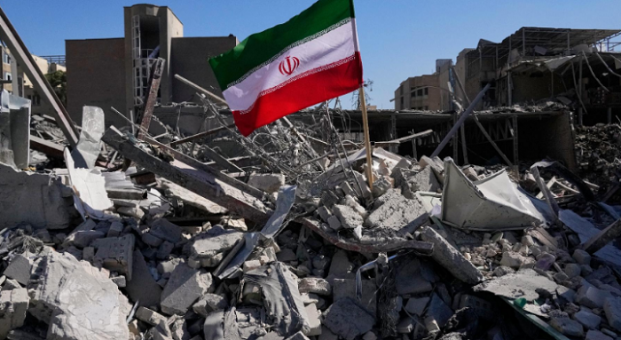
In the early hours of Tuesday, March 3, 2026, the U.S. Embassy in Riyadh, Saudi Arabia was struck by two drones in what Saudi authorities and multiple news outlets say was a suspected Iranian attack amid a rapidly escalating regional conflict. Saudi Arabia’s Ministry of Defense confirmed that the drones caused a limited fire and minor material damage at the embassy compound in Riyadh’s diplomatic quarter, where many foreign missions are located. No injuries have been reported, and the building was largely unoccupied at the time of the strike.
Saudi officials also said that a total of eight hostile drones were intercepted and destroyed near Riyadh and nearby Al-Kharj, suggesting a broader attempted assault on the kingdom’s territory. Smoke was seen over the embassy area following the explosions, and eyewitnesses reported loud blasts consistent with drone impacts.
In response to the incident, the U.S. Embassy issued a “shelter in place” advisory for American citizens in Riyadh, as well as in Jeddah and Dhahran, urging them to avoid the embassy area and canceling all routine and emergency services. Routine appointments and consular operations at the embassy were suspended for safety reasons.
The suspected drone strike comes amid a significant escalation in hostilities between Iran on one side and the United States and Israel on the other. Recent joint U.S.–Israeli military operations against Iranian targets have prompted Iran to launch a series of retaliatory drone and missile attacks against Gulf states that host U.S. interests and bases. These attacks have also targeted oil facilities and infrastructure across the region, amplifying tensions and raising concerns about broader conflict spillover.
Saudi Arabia’s foreign ministry strongly condemned the attack, calling the targeting of the U.S. embassy “a flagrant violation of international law” and warning that repeated strikes threaten further regional escalation. Riyadh stressed its right to defend its sovereignty and interests against such acts.
The embassy strike adds to a growing list of high-profile incidents tied to the wider Gulf crisis, which has drawn in multiple countries and raised global concerns over energy supply disruptions, diplomatic safety, and potential for wider military engagement in the Middle East.
About The Author