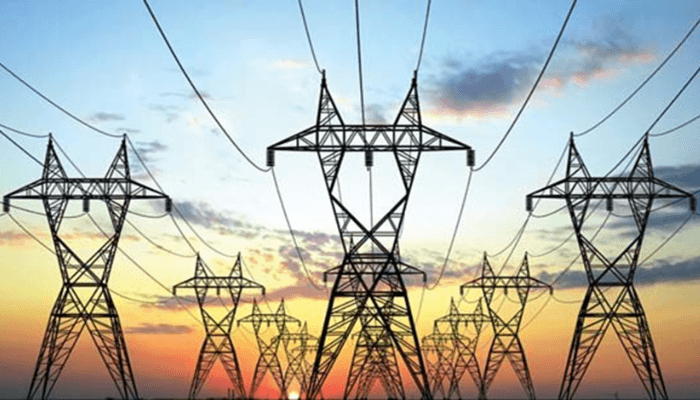
Nigeria’s electricity grid suffered another total collapse on Tuesday, January 27, 2026, marking the second nationwide system failure in just four days. This latest incident has left millions of Nigerians in darkness, affecting households, businesses, and critical services across the country.
According to real-time data from the Nigerian Independent System Operator (NISO), as of 10:54 AM WAT, power generation and load allocation to all 11 electricity distribution companies (DisCos) dropped to zero megawatts. The affected DisCos include AbujaDisCo, BeninDisCo, EkoDisCo, EnuguDisCo, IbadanDisCo, IkejaDisCo, JosDisCo, KadunaDisCo, KanoDisCo, PHarcourtDisCo, and YolaDisCo.
This collapse follows a similar nationwide outage on Friday, January 23, 2026, and comes barely a month after a previous failure on December 29, 2025, underscoring the chronic instability of Nigeria’s power infrastructure despite government reforms and investments.
Experts cite several causes for these recurring failures, including aging transmission infrastructure, frequent high-voltage line trips, generation shortfalls, and inadequate maintenance of critical facilities. The Transmission Company of Nigeria (TCN) has previously highlighted system-wide disturbances, such as the disconnection of multiple 330kV lines and generating units, as triggers for such events.
The back-to-back collapses have intensified public frustration, with businesses forced to rely on expensive generators and households experiencing prolonged darkness. Hospitals, airports, telecommunications, and other essential services have also been disrupted, raising concerns about safety and economic losses.
The TCN and NISO have confirmed that restoration efforts are underway and are expected to release a detailed report on the causes of the latest failure. Meanwhile, Nigerians are left questioning when reliable and stable electricity will finally be achievable in the country.
These repeated outages highlight the urgent need for comprehensive reforms and modernization of the national grid to prevent future disruptions and ensure sustainable power delivery.
About The Author