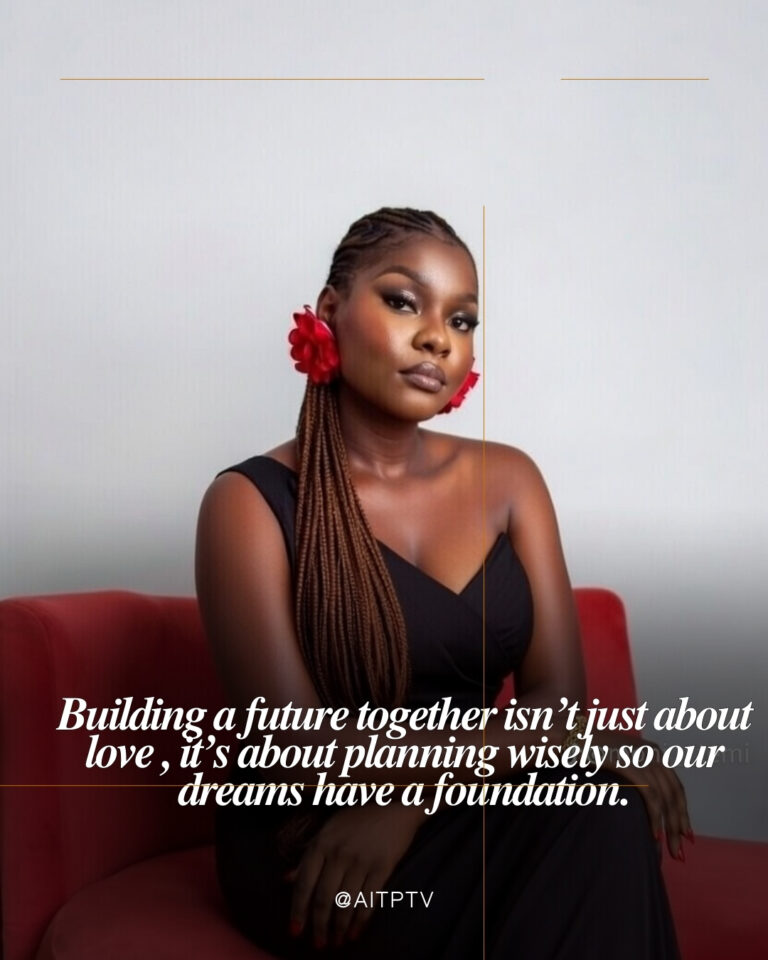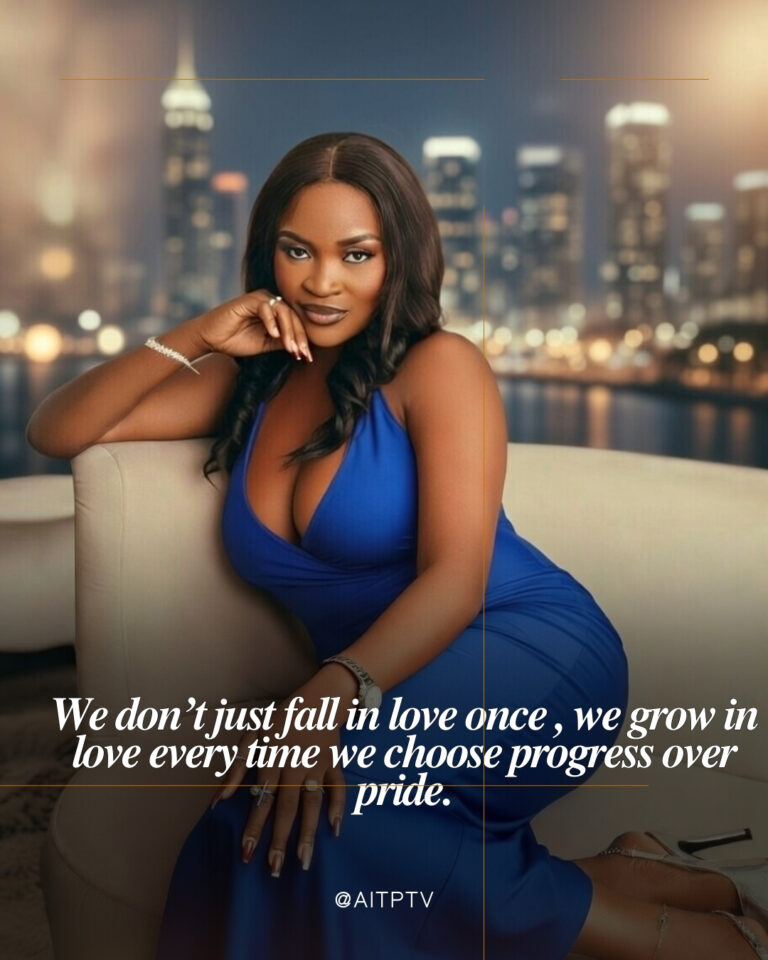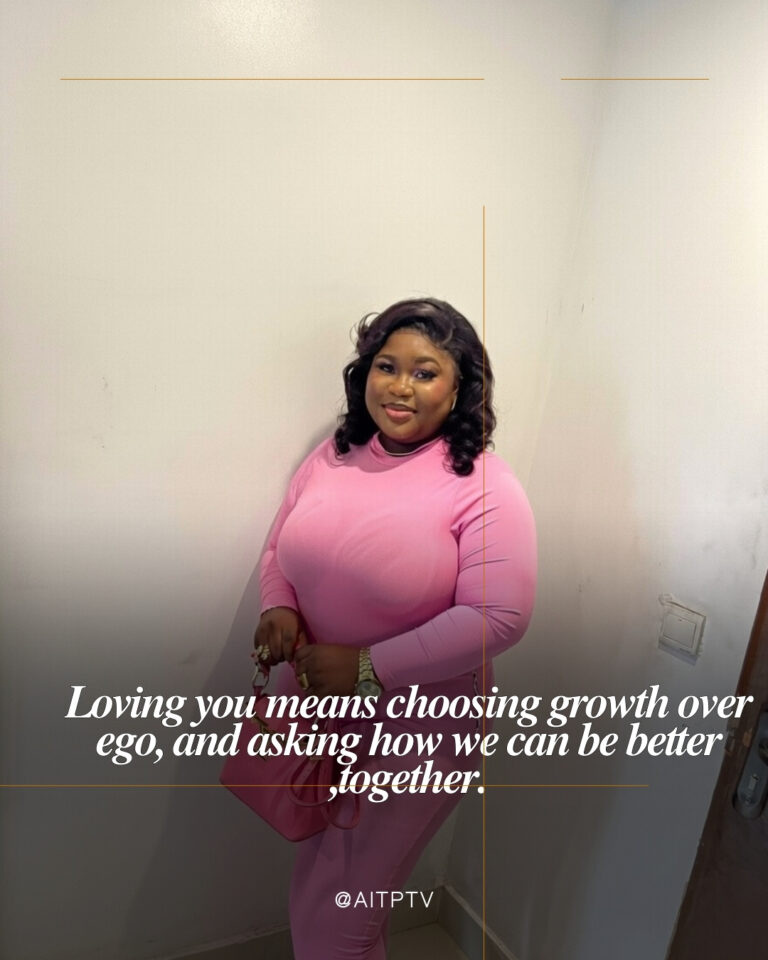
Conflict is inevitable in any relationship. Two people, each with their own experiences, emotions, and expectations, will sometimes clash. But conflict itself is not the enemy,how we handle it is. Conflict resolution is the art of navigating disagreements with love, respect, and understanding, turning tension into connection rather than division.
In relationships where conflicts are ignored or mishandled, small disagreements can grow into resentment. Words can wound, silence can build walls, and unresolved anger can quietly erode trust. But when conflicts are addressed thoughtfully, they become opportunities to deepen understanding, strengthen communication, and reinforce commitment.
Effective conflict resolution requires empathy, patience, and emotional intelligence. It means listening to understand, not to respond; speaking to express feelings, not to attack; and seeking solutions, not victories. It involves asking questions like, “Why does this hurt you?” instead of declaring, “You’re wrong.” When both partners approach conflict this way, disagreements become conversations rather than battles.
Boundaries and respect are key. Conflict resolution does not mean tolerating harmful behavior or silencing emotions. It means holding space for difficult feelings while keeping communication safe and constructive. It teaches partners to disagree without disrespect, to challenge without demeaning, and to express frustration without fear of retaliation.
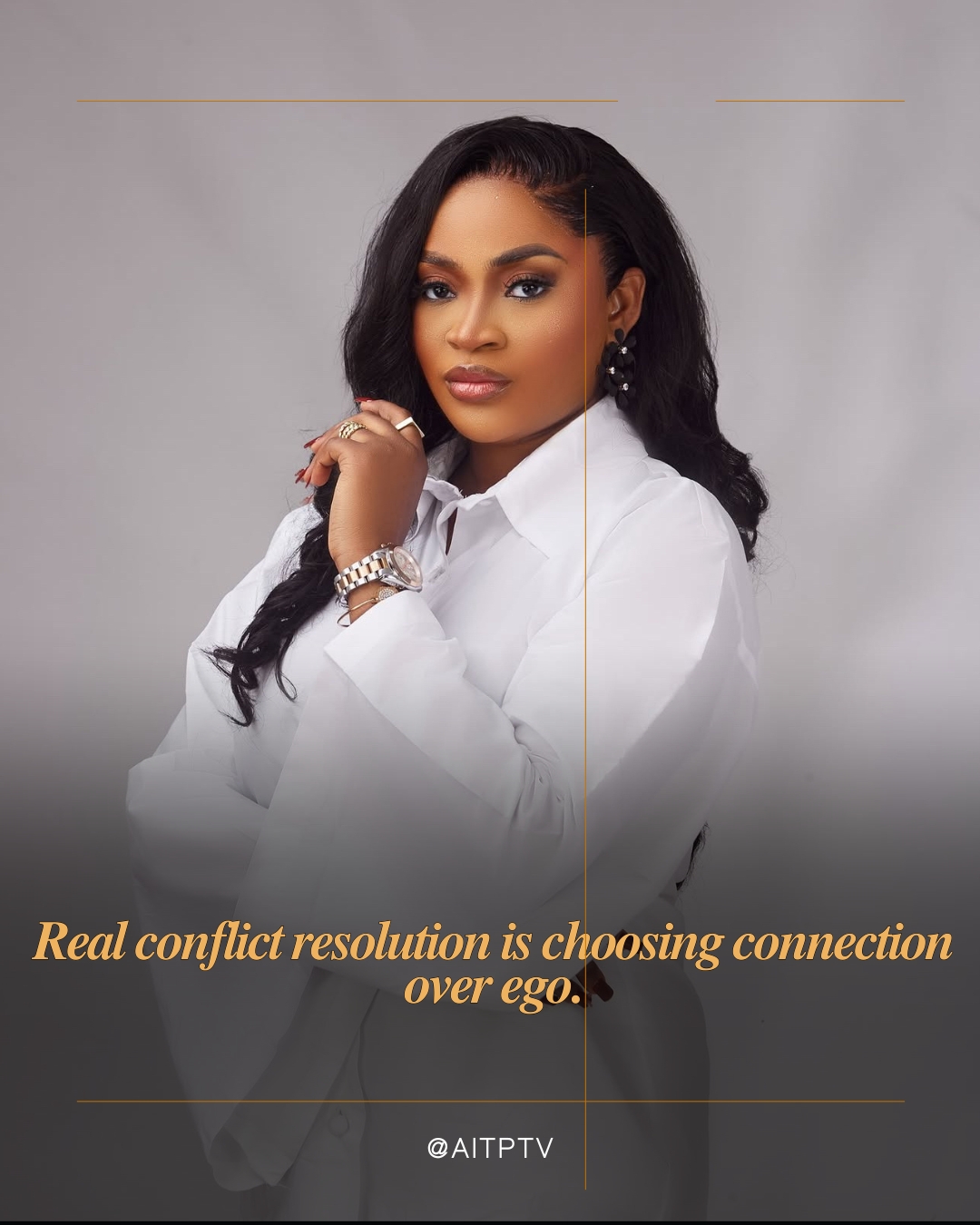
Ultimately, conflict resolution is about choosing the relationship over being right. It is love in practice,acknowledging differences, validating feelings, and working together to grow. A relationship where conflicts are resolved with care doesn’t avoid storms, but it learns to weather them together, emerging stronger, wiser, and more connected each time.
About The Author