Violence in a relationship is one of the most painful betrayals of love and trust. It doesn’t always begin with physical harm; often, it starts subtly,with control, intimidation, harsh words, or emotional manipulation. Over time, these behaviors escalate, leaving one partner living in fear rather than peace. A relationship meant to provide safety becomes a place of anxiety and survival.
Relationship violence can take many forms. Physical violence includes hitting, pushing, slapping, or any act that causes bodily harm. Emotional and psychological violence shows up as insults, threats, humiliation, gaslighting, or constant control over one’s choices. Sexual violence involves forcing intimacy without consent, while financial abuse restricts access to money as a means of control. All forms are equally damaging, even when there are no visible scars.
The impact of violence goes far beyond the moment it occurs. Victims often suffer long-term emotional trauma, low self-esteem, depression, anxiety, and a deep sense of worthlessness. Many stay silent due to fear, shame, financial dependence, or hope that their partner will change. Unfortunately, violence tends to escalate,not disappear,when ignored or excused.
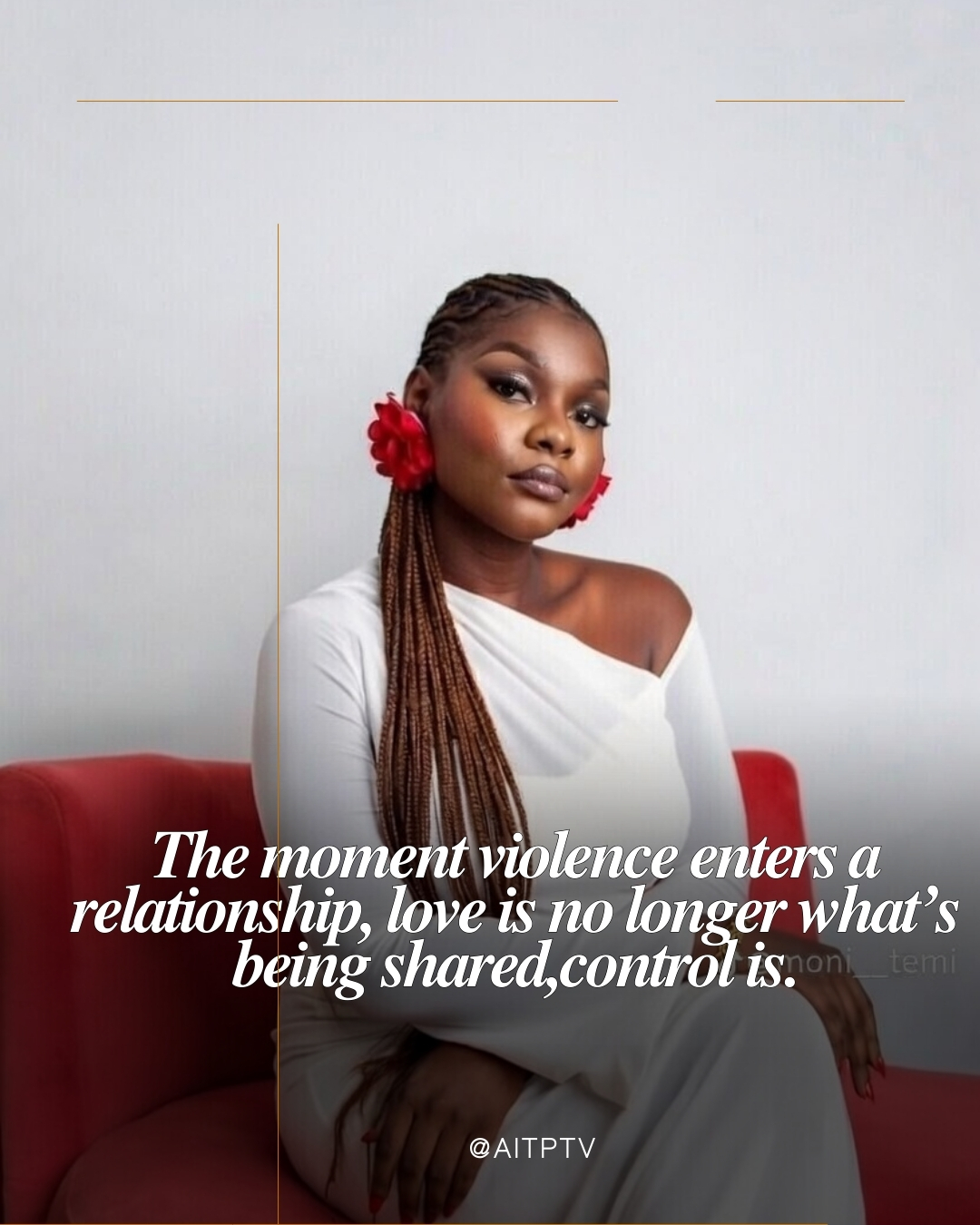
It’s important to understand a hard truth: violence is never caused by love, stress, anger, or mistakes. It is a choice rooted in the desire for power and control. No amount of patience, loyalty, or sacrifice can “fix” an abusive partner who refuses accountability or help.
A healthy relationship is built on respect, communication, consent, and safety. Love does not hurt, threaten, or intimidate. If violence exists, the priority must always be safety,seeking support from trusted friends, family, professionals, or local support services. Speaking up is not weakness; it is courage.
Everyone deserves a relationship where they feel protected, valued, and free. Love should heal, not harm.
When Love Turns Into Fear
Violence in a relationship is one of the most painful betrayals of love and trust. It doesn’t always begin with physical harm; often, it starts subtly,with control, intimidation, harsh words, or emotional manipulation. Over time, these behaviors escalate, leaving one partner living in fear rather than peace. A relationship meant to provide safety becomes a place of anxiety and survival.
Relationship violence can take many forms. Physical violence includes hitting, pushing, slapping, or any act that causes bodily harm. Emotional and psychological violence shows up as insults, threats, humiliation, gaslighting, or constant control over one’s choices. Sexual violence involves forcing intimacy without consent, while financial abuse restricts access to money as a means of control. All forms are equally damaging, even when there are no visible scars.
The impact of violence goes far beyond the moment it occurs. Victims often suffer long-term emotional trauma, low self-esteem, depression, anxiety, and a deep sense of worthlessness. Many stay silent due to fear, shame, financial dependence, or hope that their partner will change. Unfortunately, violence tends to escalate,not disappear,when ignored or excused.
It’s important to understand a hard truth: violence is never caused by love, stress, anger, or mistakes. It is a choice rooted in the desire for power and control. No amount of patience, loyalty, or sacrifice can “fix” an abusive partner who refuses accountability or help.
A healthy relationship is built on respect, communication, consent, and safety. Love does not hurt, threaten, or intimidate. If violence exists, the priority must always be safety,seeking support from trusted friends, family, professionals, or local support services. Speaking up is not weakness; it is courage.
Everyone deserves a relationship where they feel protected, valued, and free. Love should heal, not harm.
About The Author